
What It Feels Like to Walk Through an Open Door
What It Feels Like to Walk Through an Open Door
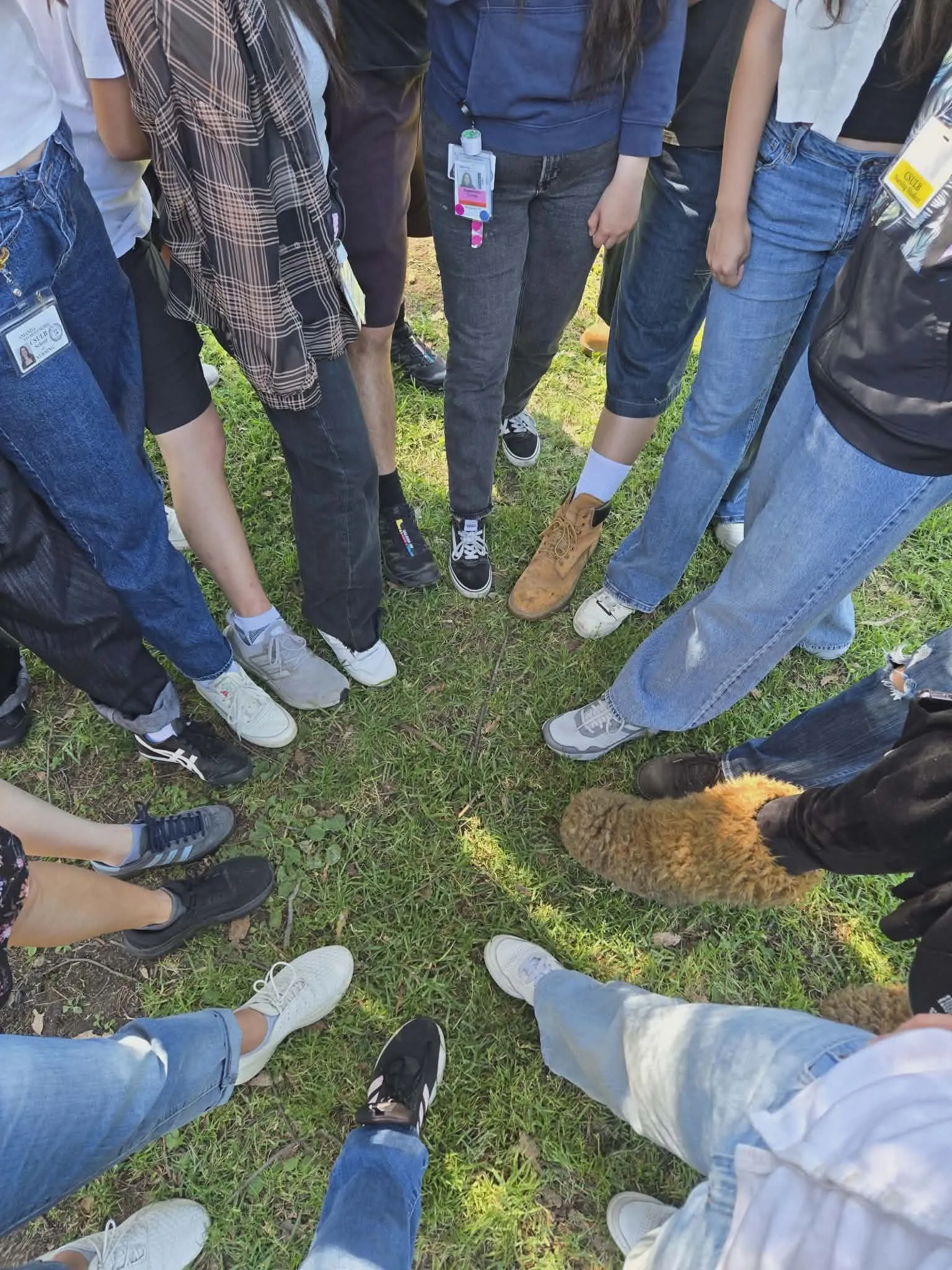
There is a distinct physics to walking into a space that expects you. On any given afternoon in Long Beach, the streets outside carry a steady hum of traffic, deadlines, and the quiet fatigue that comes from navigating a world built for efficiency rather than human pacing. Sidewalks are crowded with people rushing to appointments, delivery trucks idling at curbs, and the unrelenting glare of coastal sunlight bouncing off concrete. Moving through that environment requires a subtle hardening of the edges. You pull your shoulders back, keep your eyes forward, and brace yourself for the next transaction.
Then you reach 2301 or another corner where CityHeART holds space, and the rhythm shifts. The architectural threshold is modest, but the transition is profound. The doors are open. That phrase is not a marketing tagline or a casual greeting. It is an operational philosophy. It means the physical barrier between the outside world and a safe harbor has been deliberately removed so that anyone stepping off the pavement knows, instantly, that they belong here.
The Sensory Shift of Arrival
The first thing you notice is not a clipboard, a security guard, or a series of intake questions designed to measure your deficit. It is the atmosphere. The coffee is on. A warm, rich aroma drifts from the corner where a fresh pot brews beside ceramic mugs of every shape and color. There is no institutional uniformity here; the cups look like the ones you might find in a shared kitchen at home, mismatched and chosen with care.
Acoustically, the room breathes. Low music hums from a speaker, soft enough to allow conversation without straining, but present enough to fill the silence that often accompanies loneliness. The lighting avoids the harsh, fluorescent glare typical of government offices or clinical waiting rooms. Instead, warm light washes over walls painted in grounding tones, adorned with paintings, poetry, and mixed media created by participants in our Art from Ashes program.
When you step inside, someone usually looks up and offers a genuine greeting. Not the practiced, scripted welcome of a retail clerk, but the steady nod of a neighbor acknowledging another person entering a shared room. That simple eye contact communicates something vital. You are not a case file walking through the entrance. You are an individual with a name, a history, and a rightful place at the table.
A Space That Refuses to Be an Institution
Traditional social services often rely on architecture that reinforces hierarchy. High counters, glass partitions, and clipboard stations create an invisible wall between the helper and the helped. At CityHeART, the layout is intentionally domestic. There are soft armchairs, a sturdy wooden table where people gather to share food or work on creative projects, and corners quiet enough for a private conversation or a deep exhale.
This environment is designed around trauma-informed principles. When a nervous system has spent months or years on high alert, surviving housing instability, food insecurity, or the quiet isolation of trauma, it requires physical cues of safety to begin decompressing. A heavy wooden table, a comfortable sofa with patterned pillows, and the scent of warm coffee provide those cues before a single word is spoken.
We often talk about the importance of dignity in social care, but dignity is not just an abstract ethical value. It has a texture. It feels like sitting in a comfortable chair rather than a plastic waiting room seat. It looks like being invited to pour your own coffee instead of waiting to be served by someone holding authority over your basic needs. It sounds like hearing your story received with curiosity rather than skepticism.
Mutuality Over Management
In many community spaces, the dynamic is binary. There are providers, and there are clients. There are those who give resources, and there are those who receive them. CityHeART operates on a different frequency entirely. We practice mutuality.
When you walk through the door, you enter a community of shared ownership. Volunteers, staff, artists, veterans, seniors, and families move through the same rooms, share the same coffee, and contribute to the same collective energy. The person sitting across the table from you might be navigating housing insecurity today, and tomorrow they might be helping organize a community meal or sharing a poem that shifts the entire room's perspective.
This model rejects charity in favor of solidarity. Charity asks what you lack and attempts to fill the gap from a position of distance. Solidarity asks who you are, what you carry, and how we can walk alongside you. There is always room for one more chair at the table, one more story in the room, one more perspective in our shared dialogue. That abundance mindset changes everything. It means our community does not shrink when needs increase; it expands to hold them.
The Quiet Power of Being Seen
Consider what happens inside a person when they realize they do not have to perform, minimize, or justify their existence to be welcomed.
Many of our participants arrive carrying heavy invisible burdens. Veterans managing the long echoes of service, families facing sudden displacement, individuals recovering from domestic violence or systemic neglect, and seniors wrestling with isolation all know what it is like to be overlooked or over-managed by bureaucratic systems. When you spend years being processed through institutions that view you as a problem to be solved, your nervous system forgets what it feels like to simply rest in community.
Walking through our door offers a pause in that cycle. A participant named Marcus once described his first visit to the Resource Hub not as an intake, but as an unclenching. He walked in looking for basic resource connections through YOUConnect, but what kept him returning was the absence of judgment. No one asked him to rush his story. No one looked at their watch while he spoke. He was offered a cup of coffee, a seat away from the noise of the street, and a listener who understood that healing happens in proximity, not paperwork.
Imagining Yourself Inside the Frame
Imagine pausing your day right now. Imagine stepping away from the screen, the notifications, and the relentless speed of modern life. Picture yourself walking down a Long Beach sidewalk, the ocean air carrying a hint of salt, the afternoon sun warming the pavement.
You approach an unassuming building with a clear glass window. You push open the door.
The weight of the street noise drops away instantly. The scent of roasted coffee beans and warm food greets you. Music plays softly in the background. Someone catches your eye, smiles, and says hello without needing to know your business first. You realize, with a sudden, quiet wave of relief, that you do not need to prepare an explanation or wear a mask to justify your presence. You are simply invited to step inside, take a breath, and settle into a space where you are already expected.
That is what CityHeART feels like on a Tuesday afternoon. That is what happens when a community decides that hospitality is not a program you run, but a way of living together.
The doors are open. The coffee is on. There is always room for one more.